
Gut health supplements range from simple single-strain probiotics to full synbiotic formulas combining prebiotics, probiotics, and postbiotics, plus a separate category built specifically for gut lining support. We compared four well-known options across formula quality, third-party testing, and price to help you figure out which type actually fits what you’re looking for.
Reviewed by the FitnesSupps Editorial Team. Last updated August 13, 2026. Some of the links in this article are from our advertising partners. Learn more about how we make money.
| Product | Best For | Key Formula | Price | Where to buy |
|---|---|---|---|---|
| Bio Complete 3 | Best Overall | Prebiotic + 2-strain probiotic + tributyrin postbiotic | $44.95 | Check price |
| Seed Daily Synbiotic | Best for Probiotic Diversity | 24-strain probiotic (~38.7B AFU) + prebiotic | $49.99/month | Visit site |
| Total Restore | Best for Gut Lining Support | 20-ingredient blend incl. L-Glutamine, licorice root | $69.95 ($41.95 subscription) | Check price |
| Ritual Synbiotic+ | Best Once-Daily, Simplified Option | 2-strain probiotic + PreforPro prebiotic + tributyrin postbiotic | $54/month | Visit site |
What to Look For in a Gut Health Supplement
- Formula type that matches your goal. A straightforward probiotic, a full synbiotic (pre + pro + postbiotic), and a gut-lining support formula solve different problems. More strains or CFUs isn’t automatically “better” if it’s not the type of support you actually need.
- Third-party testing. Look for brands that test batches for identity, purity, and potency independently, not just in-house.
- Real guarantee terms. Check the actual return window and whether it’s minus shipping, not just the headline number.
- Allergen and dietary claims. Some gut health ingredients (like glucosamine) are shellfish-derived. Always check the label if you have an allergy or follow a vegan diet.
How We Researched This List
Every product here was evaluated the same way: current pricing pulled directly from the brand’s own checkout page, ingredient amounts checked against the supplement facts label rather than marketing copy, and every outbound link verified before publishing. Dosing instructions come from each brand’s own usage directions, not a secondhand summary. Where a product makes a specific claim, strain count, AFU/CFU figures, third-party testing, we looked for the manufacturer’s own published breakdown.
Our Picks
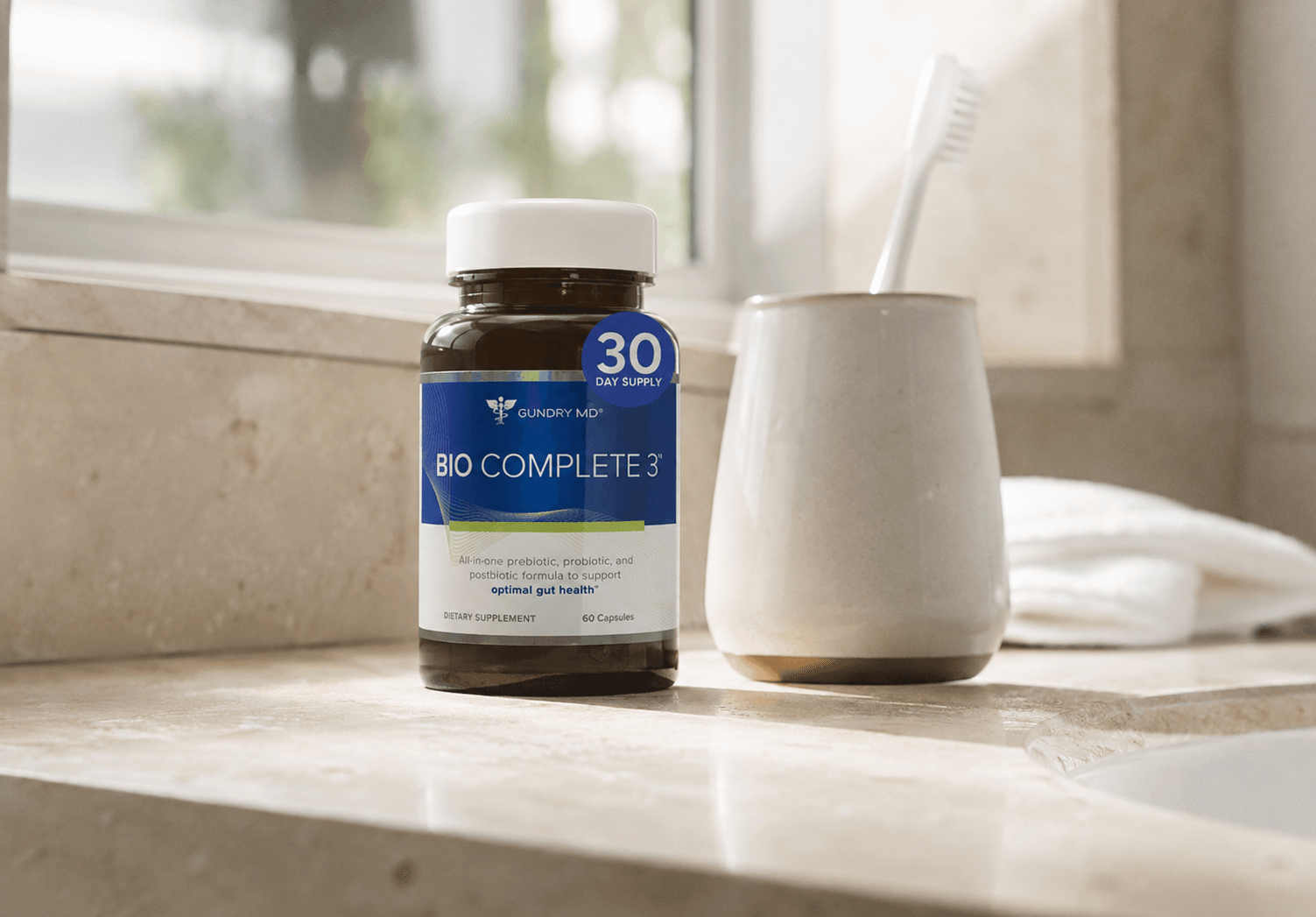
Bio Complete 3
Bio Complete 3 combines all three synbiotic components in one formula: a prebiotic fiber blend, a probiotic (Bacillus coagulans), and a clinically studied dose of tributyrin as a genuine postbiotic. The postbiotic is the standout here, it’s the piece most probiotic-only products skip entirely.
Dosing: 2 capsules daily with water, ideally with a meal.
Gundry MD recommends at least 6–8 weeks of consistent use before judging results.
Pros
- ✓ Only one of our four picks with all three components (pre/pro/postbiotic)
- ✓ Tributyrin dose is in line with clinical research
- ✓ 90-day money-back guarantee
- ✓ Third-party tested
Cons
- ✗ Only one probiotic strain, versus Seed’s 24
- ✗ Premium priced without a subscription or member discount
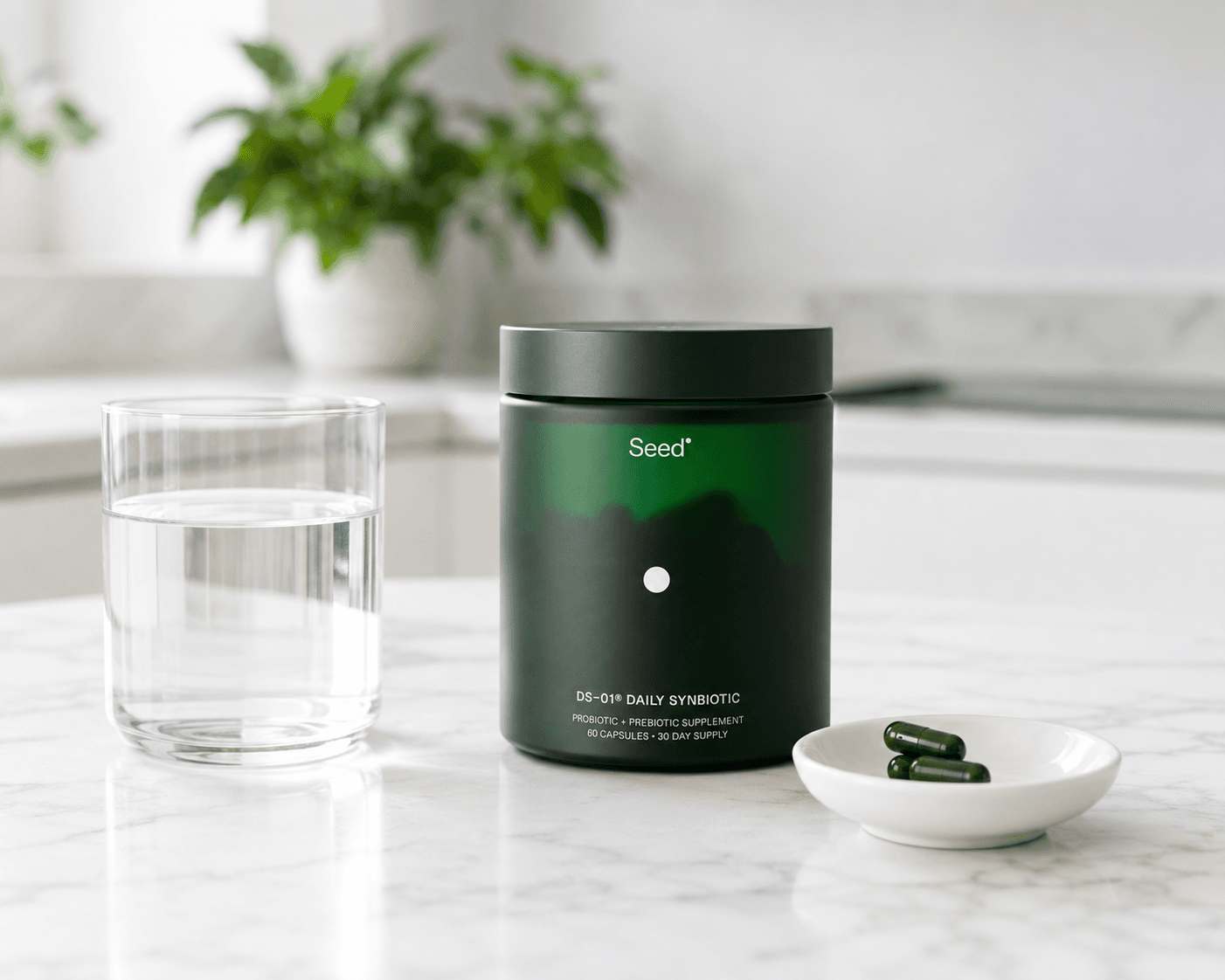
Seed Daily Synbiotic
If broad-spectrum probiotic diversity is what you’re after, Seed is the clear pick of the four. Its 24-strain blend at roughly 38.7 billion AFU is far beyond what any single-strain or few-strain product offers, delivered through a capsule-in-capsule system designed to survive digestion.
Dosing: 2 capsules together daily, ideally on an empty stomach or at least 10 minutes before a meal.
Seed recommends starting with 1 capsule for the first 3 days before moving to the full dose.
Its main digestive-health blend is 38.7 billion AFU; total AFU across all four blends (digestive, dermatological, cardiovascular, and micronutrient) is closer to 53.6 billion.
Pros
- ✓ Most probiotic strains and highest AFU count of any product on this list
- ✓ Vegan capsules
- ✓ ViaCap delivery system designed to protect strains through digestion
Cons
- ✗ No postbiotic component, unlike Bio Complete 3 or Ritual Synbiotic+
- ✗ Shortest guarantee window of the four (30 days)
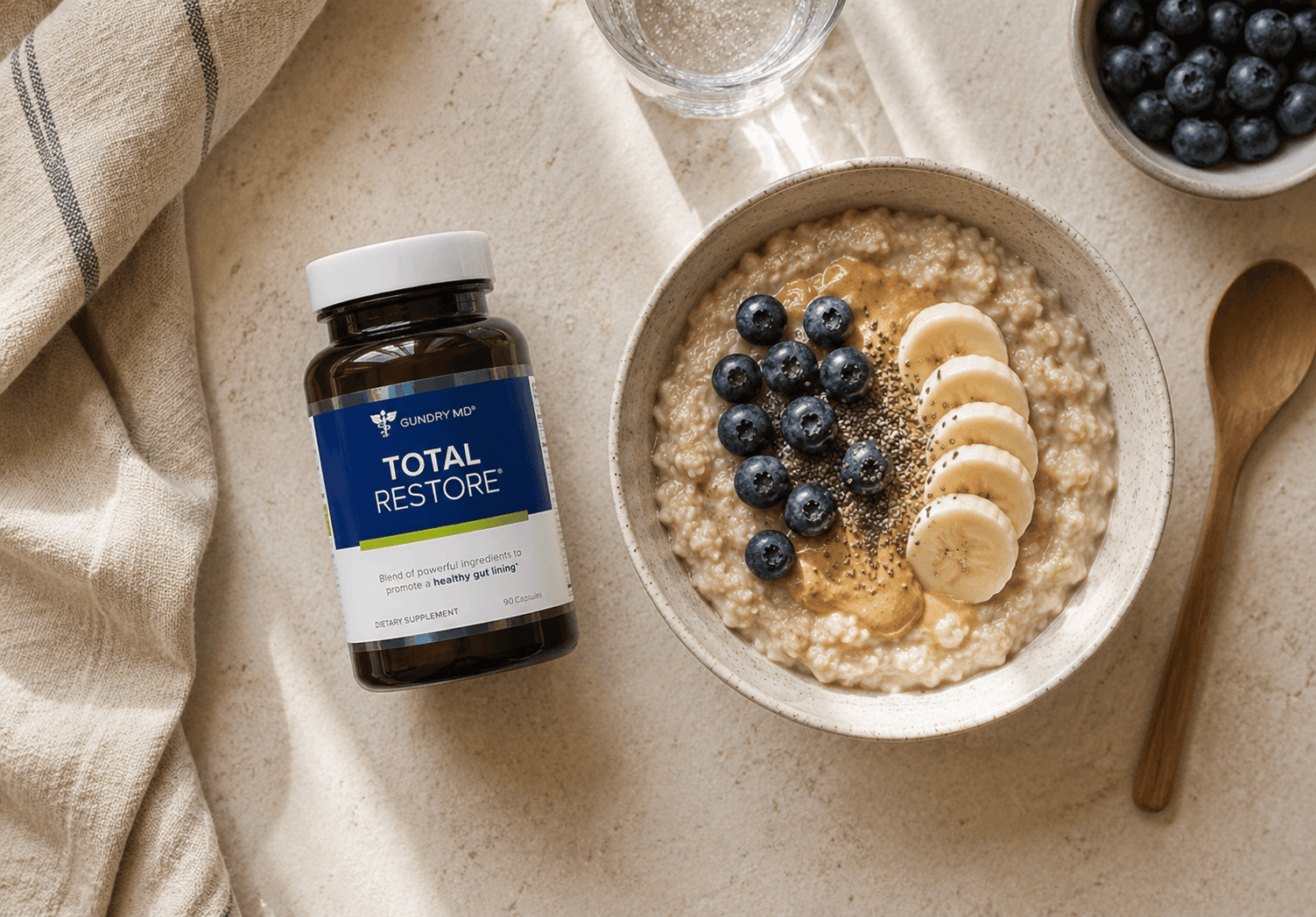
Total Restore
Total Restore isn’t a probiotic in the traditional sense, it’s built around ingredients like L-Glutamine, N-Acetyl D-Glucosamine, and licorice root extract aimed at supporting the gut lining itself rather than adding bacterial strains. It’s the right pick if gut lining support, not probiotic diversity, is what you’re looking for.
Dosing: 3 capsules daily with your largest meal.
Pros
- ✓ Targets a different mechanism (gut lining) than the other three picks
- ✓ 90-day money-back guarantee
- ✓ Third-party tested
Cons
- ✗ Contains a shellfish-derived ingredient (N-Acetyl D-Glucosamine), not suitable for shellfish allergies and not vegan
- ✗ Not a probiotic, so it won’t add bacterial diversity the way the others do
- ✗ Also contains grapefruit seed extract (can interact with some prescription medications) and wormwood (not recommended during pregnancy or for those with seizure disorders)
Comparing Total Restore and Bio Complete 3 specifically? See our full head-to-head comparison.
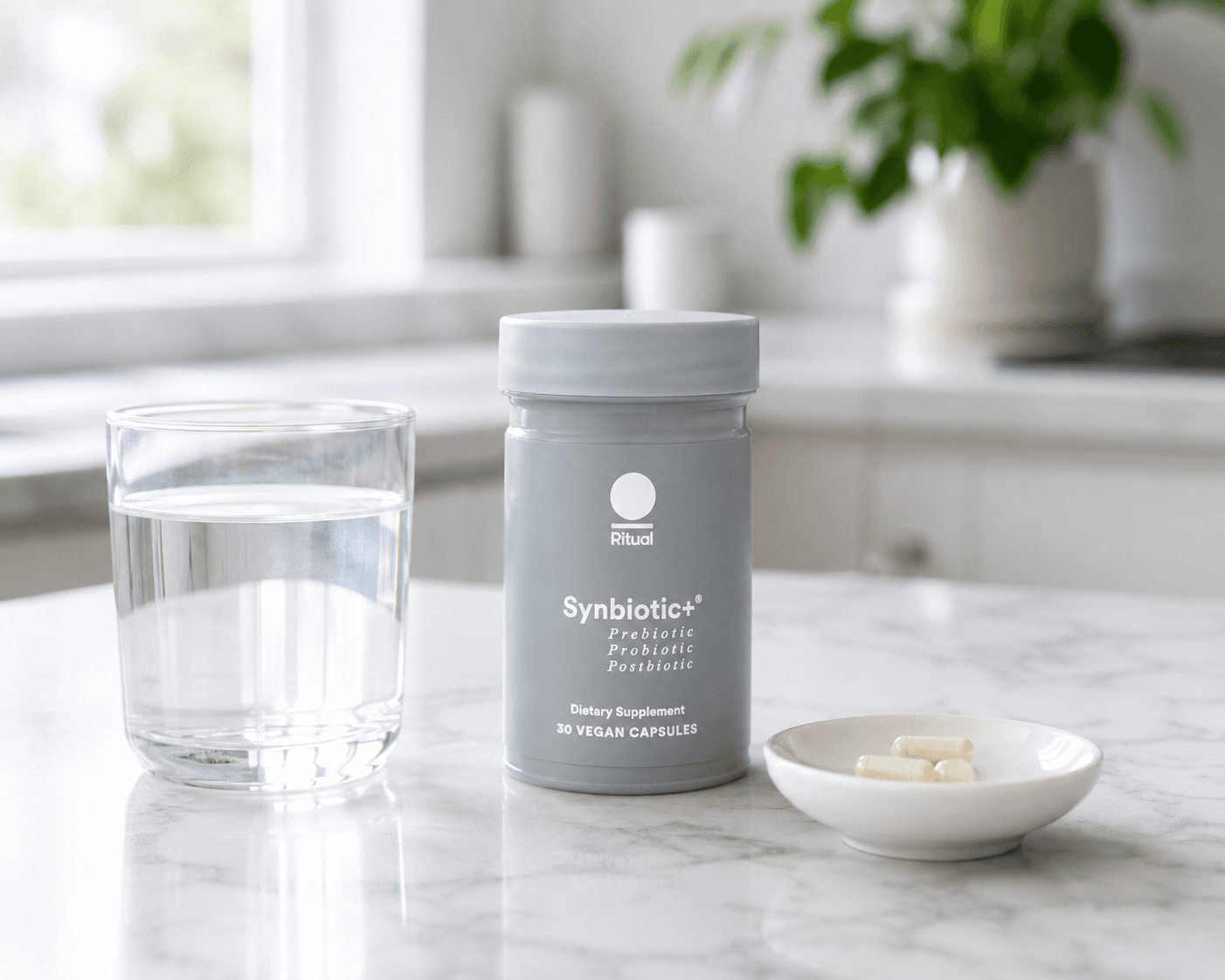
Ritual Synbiotic+
Ritual Synbiotic+ takes a simpler approach than Bio Complete 3 or Seed, two clinically studied strains (LGG and BB-12) at 11 billion CFU, plus a 300mg clinically studied tributyrin dose, all in a single once-daily capsule.
Pros
- ✓ Simple, once-daily dosing
- ✓ Includes a postbiotic at a clinically studied dose
- ✓ Fully traceable, third-party tested ingredients
Cons
- ✗ Fewer probiotic strains than Seed
- ✗ Among the more expensive options per month
What to Avoid
- Proprietary blends that hide individual strain counts or dosages
- Products with no independent testing claims at all
- Marketing that promises to “cure” a condition rather than support general gut health